
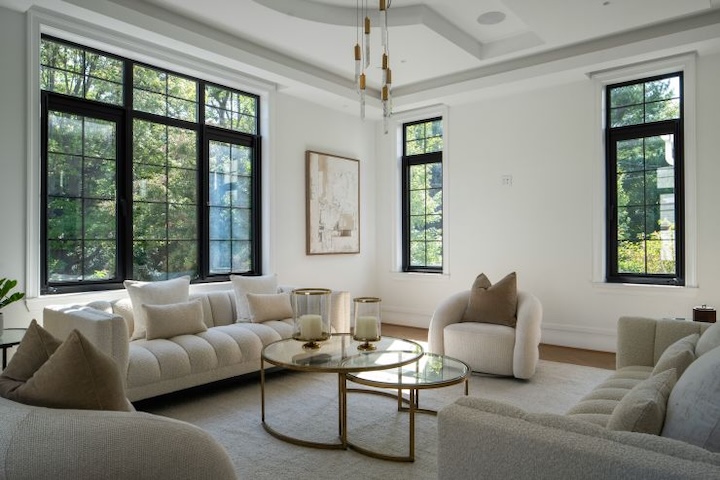
An interior designer helps you find a style that fits your needs and goals; they evaluate your space to provide personalized ideas. Rōan Interiors shows you what to expect when working with a designer. Here is more information on choosing the right interior designer for your style and needs:
Evaluate Your Space and Goals
Many interior designers offer in-home consultations, so they can plan how to use the space efficiently. It also allows them to see layout possibilities and limitations. The designer then provides you with furniture ideas that meet your functional needs while also allowing sufficient space around them for movement.
During the consultation, the interior designer helps you find a style that suits your preferences. They may do this by presenting you with a curated selection of colors and materials based on their discussions with you. This helps them better understand which interior design style you prefer. The designer may create a digital look book to aid in this process; this lets you see the designer’s ideas visually.
Set Project Expectations
The designer helps you create a usable space whether your project involves one room or the entire house. When updating one room, the designer can suggest colors that complement adjacent rooms to increase cohesiveness. A designer is able to work with you at any stage of updating a room. To avoid changes in materials or furniture that result in extra expenses, work with a designer before making major decisions. When setting project expectations, tell the designer if you want them closely involved in every decision or if you prefer a more hands-off approach. A hands-on approach lets the designer make more decisions on your behalf if you are unsure about the ideal selections. The hands-off approach allows you to make more decisions, and you are guided by the designer when needed.
Find Designers Who Value Personalization
A custom space is one benefit of working with an interior designer. Some homeowners have a specific piece of furniture or decor that they want in the room. A designer is able to incorporate it into the design. Designers can also create designs of custom items, like furniture, cabinets, or light fixtures; a craftsman then builds the piece.
If household occupants have sensory sensitivities, a designer is able to create designs that help them be comfortable using the room. When updating the room, the professional may design around different sensory aspects, such as:
- Auditory: Thick rugs and curtains help absorb noise, helping people sensitive to loud sounds.
- Visual: Simple patterns and a minimalist style support those who get overstimulated by clutter and complex designs.
- Tactile: People who have adverse reactions to rough items may benefit from a space with smooth surfaces and soft materials.
Find an Interior Designer
A professional interior designer creates visually appealing rooms that align with your lifestyle. They meet with you at your house; this lets them provide personalized ideas and layouts that enhance the flow of rooms. Rōan Interiors creates plans for residential or commercial spaces, and we can work with architects and builders to incorporate design elements into the building’s structure or room layout. Contact us to explore our services and schedule a consultation.
